
The Hidden Costs of Traditional Automation Solutions
Imagine a bustling manufacturing facility running at half its potential—what does that truly cost in terms of time, resources, and profit? Data shows that over 40% of companies feel the pinch of inefficiency in their operational processes. One of the culprits often overlooked is the limitations of traditional automation. Enter the vision guided robot, a game-changer designed to streamline production lines and reduce manual errors. It’s not just a shiny tool; it’s a necessity in bridging the gap where conventional automation falls short.
What Makes Vision Guided Robots Different?
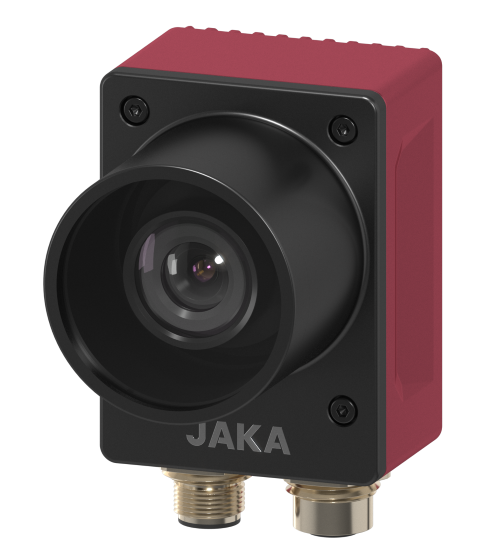
Defining a vision guided robot can open a Pandora’s box of discussions, but let’s keep it simple. Unlike rigid automation solutions, these smart machines utilize advanced imaging systems to adapt to their surroundings. This means they can handle unpredictable variables effectively, saving companies from the costly mistakes of unanticipated downtime. While traditional systems often streamline workflows, they come with constraints that hamper customization. Think of it like trying to fit a square peg into a round hole—frustrating, right?
What’s Next for Cobots?
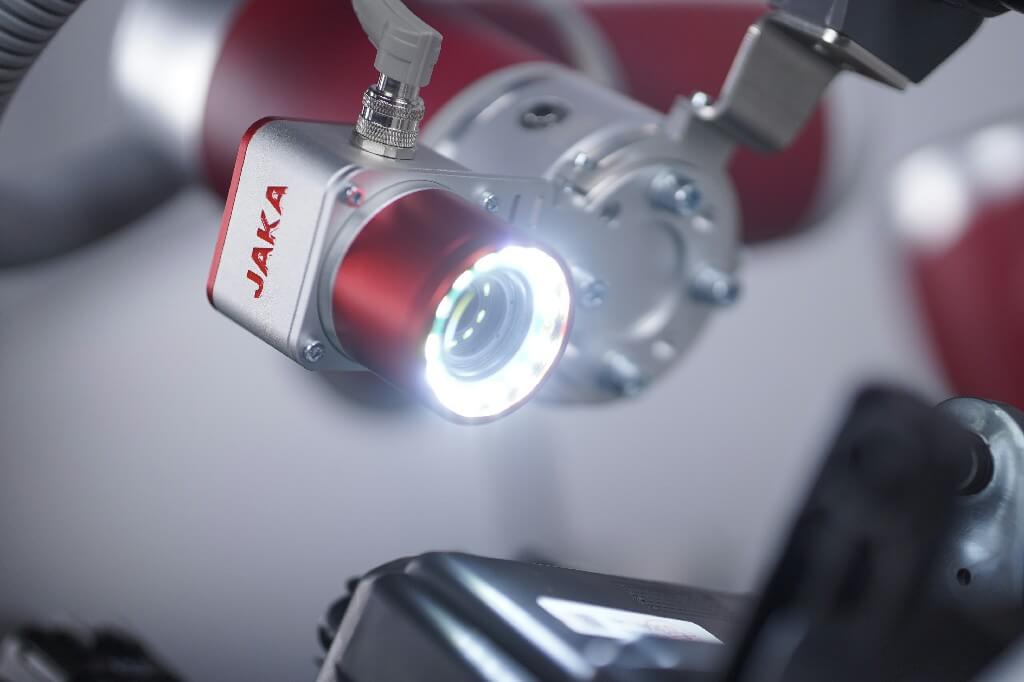
Looking ahead, the evolution of cobot systems shows promise, but the question remains: how do we elevate efficiency to the next level? As the industry moves towards more flexible solutions, integrating a vision guided robot into workflows across various sectors will be key. These robots are not just for high-tech industries; they can be implemented in small to medium enterprises, providing scalable solutions that respond to changing market needs without breaking the bank.
Real-World Impact: What Can Businesses Expect?
I recall a small packaging company I worked with last year; they integrated a cobot system and experienced a remarkable 25% increase in production efficiency within three months. That’s not just numbers—it’s jobs saved, costs reduced, and a team refocused on higher-value tasks. By significantly reducing the burden of repetitive tasks, companies free up their workforce to innovate and improve quality. Isn’t that the end goal for everyone?
Three Key Metrics for Evaluating Cobot Solutions
As you consider your options, I recommend focusing on three criteria: first, adaptability—how well does the cobot adjust to changes? Next, precision—can it consistently meet your quality standards? Lastly, support—what level of customer service and training do they offer? If you can answer these questions with confidence, you’re on the right path to choosing the right solution.
The real insight gained here is a deep understanding of how cobot systems, particularly vision guided robots, can transform the inefficiencies typically associated with traditional automation. I firmly believe that addressing these pain points head-on paves the way for smoother operations and greater profitability in the long run. If you’re curious about exploring cobots further, I highly recommend checking out JAKA, where cutting-edge solutions await.
